


Highlights:
- Soft Enquiry vs. Hard Enquiry – Understanding the Difference
- Does Checking CIBIL Score Affect the Score?
- When Credit Enquiries Actually Matter
- How Often Should You Check Your Credit Score?
- What to Look for When You Check Your Credit Report
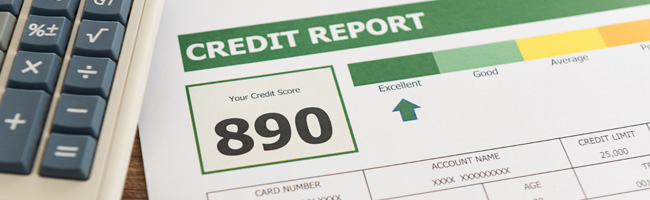
Staying informed about one’s credit profile is often part of thoughtful financial planning. When reviewing a credit score, perhaps while preparing for a future loan, it is natural to wonder whether this awareness has any unintended impact. This is where a common question arises: Does checking a credit score affect the score in any way? The answer becomes clear once you understand how enquiries get registered and interpreted.
By taking a closer look at how credit scores are assessed and what type of credit enquiry actually affects your score, it becomes easier to view credit monitoring as a good financial habit.
Soft Enquiry vs. Hard Enquiry – Understanding the Difference
Soft enquiry and hard enquiry describe how and why a credit check is conducted, as they are evaluated very differently.
A soft enquiry occurs when you check your own credit score or when a lender reviews your profile for pre-approved offers. These checks are informational in nature. They do not indicate active credit seeking and, therefore, have no negative impact on your score.
A hard enquiry, on the other hand, is initiated when you formally apply for credit, such as a loan or credit card. This indicates that you are actively seeking credit, which is why multiple hard enquiries within a short span may influence your score negatively.
Does Checking CIBIL Score Affect the Score?
So, does checking a CIBIL score affect the score? When you check your own credit score through authorised platforms, it is classified as a soft enquiry. This means there is no impact on your credit profile. In other words, reviewing your score for awareness or planning purposes does not lower it. This applies even if you check it multiple times.
When Credit Enquiries Actually Matter
While self-checks are harmless, the impact of enquiries changes when applications enter the picture. Each time you apply for a loan or credit card, a hard enquiry is recorded. Several applications made within a short time frame can reduce your score.
How Often Should You Check Your Credit Score?
Given that checking your own score has no negative impact, there’s no strict limit on how often you can review it. It’s always wise to review your CIBIL score and credit report from time to time. Doing so helps you understand what’s influencing your score and spot any errors or discrepancies early, before they impact your loan approval.
So, checking your own credit score does not reduce it. By understanding the difference between soft enquiry and hard enquiry and recognising which type of credit enquiry actually affects your score can improve credit awareness.
What to Look for When You Check Your Credit Report
When reviewing your credit report, the score is only one part of the picture. It’s equally important to look at the details that shape it. Start by checking your personal information—such as your name, address, and date of birth—to ensure everything is accurate.
Next, review your loan and credit card accounts. Look at active and closed accounts, outstanding balances, and repayment history to confirm they match your records. Any unfamiliar account or incorrect loan status should be flagged immediately.
It’s also wise to examine your repayment track record closely. Late payments, missed EMIs, or defaults—if any—can have a lasting impact on your credit profile. Identifying these early gives you clarity on what needs improvement.
Finally, scan the enquiry section to see who has accessed your credit report. This helps you distinguish between soft enquiries and hard enquiries and ensures that no unauthorised checks have been made.
By paying attention to these details, you gain a clearer understanding of your credit profile and can take timely steps to keep it in good shape.
FAQs
No, when you check your own CIBIL score, it is recorded as a soft enquiry. Soft enquiries do not affect your credit score, no matter how often you check.
Hard enquiries typically remain on your credit report for up to two years. However, their impact on your credit score usually reduces over time if you maintain healthy credit behaviour.
Yes, checking your credit score beforehand helps you assess your eligibility and financial readiness. It also allows you to address any issues in advance, reducing the risk of loan rejection.
If you notice any incorrect personal details, unfamiliar accounts, or inaccurate repayment records, you should raise a dispute with the credit bureau immediately. Timely correction can help protect your credit score.
A good credit score improves your chances, but loan approval also depends on factors such as income, employment stability, existing liabilities, and other factors.
DISCLAIMER:
While care is taken to update the information, products, and services included in or available on our website and related platforms/websites, there may be inadvertent errors or delays in updating the information. The material contained in this website and on associated web pages, is for reference and general information purposes, and the details mentioned in the respective product/service document shall prevail in case of any inconsistency. Users should seek professional advice before acting on the basis of the information contained herein. Please take an informed decision with respect to any product or service after going through the relevant product/service document and applicable terms and conditions. Neither Bajaj Housing Finance Limited nor any of its agents/associates/affiliates shall be liable for any act or omission of the Users relying on the information contained on this website and on associated web pages. In case any inconsistencies are observed, please click on contact information.
Trending Articles

home+loan Home Loan
[N][T][T][N][T]
IGR Maharashtra Property Registration Guide – Simplifying Your Property Transactions2025-10-22 | 3 min

home+loan Home Loan
[N][T][T][N][T]
IGRS Madhya Pradesh Guide to Property Registration – A Complete Overview2025-10-30 | 4 min

home+loan Home Loan
[N][T][T][N][T]
Understanding Stamp Duty and Registration in Himachal Pradesh2025-10-09 | 3 min

home+loan Home Loan
[N][T][T][N][T]
Everything You Need to Know About Home Loan Tax Benefits2024-04-23 | 6 min

home+loan Home Loan
[N][T][T][N][T]
How to Get a Certified Copy of Your Property Title Deed: A Guide for Property Owners2025-07-16 | 3 min

home+loan Home Loan
[N][T][T][N][T]
CIBIL vs Experian – Which Credit Bureau is Better for Your Needs?2025-11-06 | 4 min

home+loan Home Loan
[N][T][T][N][T]
What is STD, LSS & DPD in CIBIL Reports and Their Differences2025-11-07 | 3 min

home+loan Home Loan
[N][T][T][N][T]
CIBIL vs. Equifax vs. Experian vs. CRIF High Mark: Key Differences2025-11-10 | 5 min
home+loan Home Loan
[N][T][T][N][T]
LSS Meaning in CIBIL: What It Is and How It Affects a Credit Report2025-11-19 | 5 min

home+loan Home Loan
[N][T][T][N][T]
The CIBIL Score Advantage for Loan Approval2025-05-05 | 7 min

home+loan Home Loan
[N][T][T][N][T]
Bihar Bhumi Land Records: Learn How to Access Land Records Online on Bihar Bhumi2025-02-27 | 6 min

home+loan Home Loan
[N][T][T][N][T]
Building on Your Own Land – Understanding Home Loan for Plot Purchase and Construction2026-02-19 | 2 min

home+loan Home Loan
[N][T][T][N][T]
Jantri Rate Gujarat – A Complete Guide to Land Valuation2025-09-30 | 4 min

home+loan Home Loan
[N][T][T][N][T]
A Complete Guide to Check Credit Score Easily for Free2024-05-02 | 3 min

home+loan Home Loan
[N][T][T][N][T]
Home Loan with No Credit History – A Structured Path to First-Time Homeownership2026-02-19 | 3 min

home+loan Home Loan
[N][T][T][N][T]
Affordable Housing as a Structured Growth Driver2026-02-20 | 3 min

home+loan Home Loan
[N][T][T][N][T]
How RERA Is Reshaping Trust in Affordable Housing?2026-02-20 | 3 min

home+loan Home Loan
[N][T][T][N][T]
Government Housing Schemes and the Path towards ‘Housing for All’2026-02-20 | 4 min

home+loan Home Loan
[N][T][T][N][T]
Sambhav Home Loans for Small Business Owners2026-02-23 | 5 min

home+loan Home Loan
[N][T][T][N][T]
Sambhav Home Loans for Small Shop Owners